



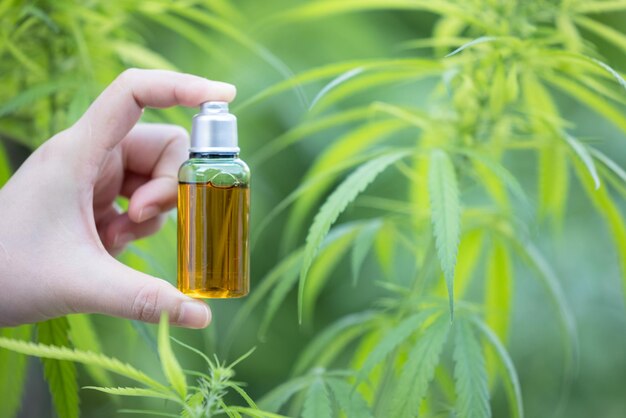
In the burgeoning world of wellness, organic CBD oils have emerged as a sought-after natural remedy. Derived from organically grown hemp plants, these oils offer a pure and potent form of cannabidiol (CBD), free from harmful pesticides, herbicides, and chemical fertilizers. The emphasis on organic cultivation not only enhances the quality of the oil but also aligns with a growing consumer preference for clean and sustainable products. Let’s delve into the world of organic CBD oils, exploring their benefits, production processes, and the factors that contribute to their rising popularity.
The Organic Advantage: Purity and Potency
The term “organic” signifies a commitment to natural cultivation practices, ensuring that the hemp plants used for CBD extraction are grown without synthetic chemicals. This translates to a cleaner and purer CBD oil, minimizing the risk of exposure to harmful residues. Organic farming practices also promote soil health and biodiversity, contributing to a more sustainable and environmentally friendly production process. The absence of chemical interference during cultivation allows the hemp plants to express their full potential, resulting in a more potent and effective CBD oil. This purity and potency are crucial for individuals seeking the maximum therapeutic benefits from CBD.
From Seed to Bottle: The Organic CBD Oil Production Process
The journey of organic CBD oil begins with carefully selected hemp seeds, cultivated in nutrient-rich soil under strict organic standards. The hemp plants are nurtured without the use of synthetic pesticides or herbicides, relying on natural pest control methods and organic fertilizers. Once the plants reach maturity, the flowers and leaves, rich in CBD, are harvested. The extraction process typically involves CO2 extraction, a method considered the gold standard for producing high-quality CBD oil. CO2 extraction uses pressurized carbon dioxide to separate CBD from the plant material, resulting in a pure and solvent-free extract. The extracted CBD oil is then tested by third-party laboratories to verify its purity, potency, and absence of contaminants. This rigorous testing ensures that consumers receive a safe and high-quality organic CBD oil.
Full Spectrum, Broad Spectrum, and Isolate: Understanding the Differences
Organic CBD oils are available in three main forms: full spectrum, broad spectrum, and isolate. Full-spectrum CBD oil contains all the naturally occurring compounds found in the hemp plant, including trace amounts of THC (less than 0.3%). This “entourage effect,” where all the compounds work synergistically, is believed to enhance the therapeutic benefits of CBD. Broad-spectrum CBD oil contains all the beneficial compounds of the hemp plant except THC, making it a suitable option for individuals who want to avoid THC altogether. CBD isolate is the purest form of CBD, containing only CBD and no other compounds. The choice between these forms depends on individual preferences and needs.
The Entourage Effect: Synergistic Benefits of Hemp Compounds
The entourage effect is a key concept in understanding the benefits of full-spectrum organic CBD oils. This effect suggests that the various compounds found in the hemp plant, including cannabinoids, terpenes, and flavonoids, work together synergistically to enhance the overall therapeutic effects
of CBD. Terpenes, for example, are aromatic compounds that contribute to the plant’s scent and flavor, and they also possess their own therapeutic properties. The entourage effect highlights the importance of choosing full-spectrum or broad-spectrum CBD oils to maximize the potential benefits.
Health Benefits of Organic CBD Oils: A Holistic Approach
Organic CBD oils offer a wide range of potential health benefits, aligning with a holistic approach to wellness. They can help alleviate chronic pain and inflammation, reduce anxiety and stress, improve sleep quality, and support neurological health. Their potential to address various health concerns without the side effects associated with traditional medications has made them a popular choice for individuals seeking natural remedies. Organic CBD oils are also used topically to address skin conditions such as acne, eczema, and psoriasis.
Choosing the Right Organic CBD Oil: Factors to Consider
When choosing an organic CBD oil, several factors should be considered. Look for products that are certified organic by reputable organizations. Check the third-party lab test results to verify the purity, potency, and absence of contaminants. Choose a reputable brand that is transparent about its sourcing and production processes. Consider the type of CBD oil (full spectrum, broad spectrum, or isolate) that best suits your needs. Read customer reviews and testimonials to gauge the product’s effectiveness.
Dosage and Administration: Finding Your Optimal Intake
The optimal dosage of organic CBD oil can vary depending on individual factors such as weight, metabolism, and the condition being treated. It is recommended to start with a low dose and gradually increase it until you find the dose that works best for you. Organic CBD oils can be administered sublingually (under the tongue), orally, or topically. Sublingual administration allows for faster absorption into the bloodstream.
Sustainability and Ethical Sourcing: Supporting Responsible Practices
Choosing organic CBD oils supports sustainable and ethical sourcing practices. Organic farming practices promote soil health, biodiversity, and environmental sustainability. Supporting brands that prioritize ethical sourcing ensures that the hemp plants are grown and harvested in a responsible and sustainable manner.
The Future of Organic CBD Oils: Growing Demand and Innovation
The demand for organic CBD oils is expected to continue to grow as consumers become more aware of their potential health benefits and the importance of clean and sustainable products. Innovation in extraction and formulation technologies will likely lead to the development of new and improved organic CBD products. The future of organic CBD oils holds promise for a more natural and holistic approach to wellness.
